Deutsche Bank said the war in Iran is testing the US dollar’s central role in global oil trade
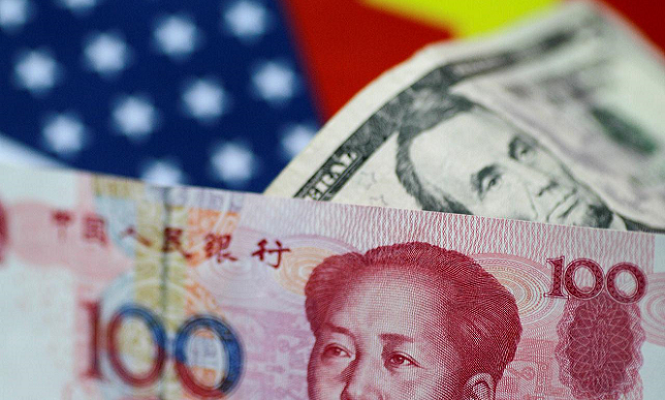
Deutsche Bank said the war in Iran is testing the US dollar’s central role in global oil trade, warning that a longer-term shift toward greater use of China’s yuan in energy transactions could emerge. 
Mallika Sachdeva, a strategist at the German lender, said in a research note cited by Bloomberg that the conflict could act as a catalyst for weakening the “petrodollar” system and the potential rise of a “petroyuan.”
She cited reports that Iran is requiring payment for oil shipments in Chinese yuan in exchange for allowing vessels to pass through the Strait of Hormuz, noting that China is a key trading partner and the largest buyer of Iranian crude.
Sachdeva said further strains on the petrodollar system could have negative spillover effects, weighing on the use of the US currency in global trade and reserves, and potentially undermining its status as the world’s leading reserve currency, as China steps up efforts to promote the yuan in international finance.
Deutsche Bank said the war in Iran is testing the US dollar’s central role in global oil trade
Deutsche Bank said the war in Iran is testing the US dollar’s central role in global oil trade, warning that a longer-term shift toward greater use of China’s yuan in energy transactions could emerge.
Mallika Sachdeva, a strategist at the German lender, said in a research note cited by Bloomberg that the conflict could act as a catalyst for weakening the “petrodollar” system and the potential rise of a “petroyuan.”
She cited reports that Iran is requiring payment for oil shipments in Chinese yuan in exchange for allowing vessels to pass through the Strait of Hormuz, noting that China is a key trading partner and the largest buyer of Iranian crude.
Sachdeva said further strains on the petrodollar system could have negative spillover effects, weighing on the use of the US currency in global trade and reserves, and potentially undermining its status as the world’s leading reserve currency, as China steps up efforts to promote the yuan in international finance.