Oil prices climbed on Monday after Iran’s Revolutionary Guard said it would attack Israeli power plants and those supplying US bases in the Middle East in retaliation for any strike on Iran’s electricity sector.
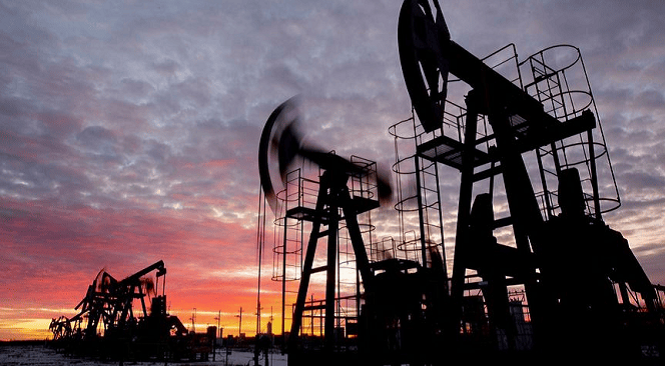
Brent crude futures rose $1.57 to $113.76 per barrel by 07:31 GMT, while US West Texas Intermediate (WTI) crude gained $3.09, or 3.15%, to $101.32 per barrel.
Both contracts later declined about $1 after earlier gains of roughly $1 during volatile Asian trading.
The WTI increase narrowed the gap with Brent, which had widened last week to its highest level in 13 years.
“Oil sentiment may lurch on threats and rhetoric in the near term, but its more durable direction will continue to be shaped by the state of Middle East oil flows,” said Vandana Hari, founder of oil market analysis provider Vanda Insights.
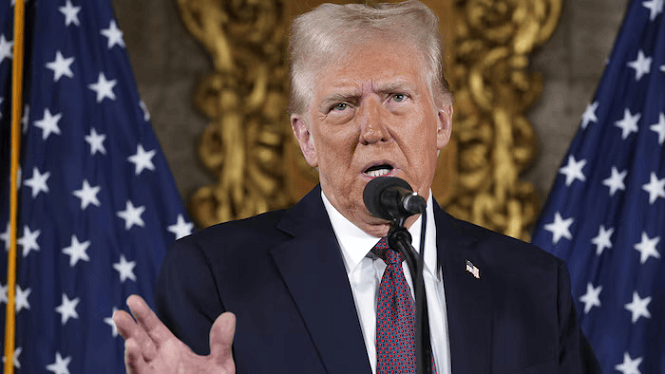
US President Donald Trump on Saturday threatened to “destroy” Iranian energy facilities if Tehran did not fully reopen the Strait of Hormuz within 48 hours, just a day after speaking of “ending” the war, now in its fourth week.
“It clearly means more escalation, which means higher oil prices. Some are incorrectly thinking, however, that Iran may cave,” said Amrita Sen, founder of Energy Aspects. “Trump is trying to show he can out-escalate and that way ends in scorched earth for Gulf infrastructure.”
Meanwhile, Fatih Birol, Executive Director of the International Energy Agency, said Monday that the Middle East crisis is “extremely severe,” worse than the combined oil shocks of the 1970s.
Three energy officials said Iraq has declared a state “force majeure” across all oil fields operated by foreign companies.
Iraq’s Oil Minister, Hayyan Abdul Ghani, stated that Basra Oil Co.’s crude output will be cut from 3.3 million barrels per day to 900,000 barrels per day.
Traders said Indian refineries plan to resume buying Iranian oil, while other Asian refiners are considering similar steps.
Oil prices climbed on Monday after Iran’s Revolutionary Guard said it would attack Israeli power plants and those supplying US bases in the Middle East in retaliation for any strike on Iran’s electricity sector.
Brent crude futures rose $1.57 to $113.76 per barrel by 07:31 GMT, while US West Texas Intermediate (WTI) crude gained $3.09, or 3.15%, to $101.32 per barrel.
Both contracts later declined about $1 after earlier gains of roughly $1 during volatile Asian trading.
The WTI increase narrowed the gap with Brent, which had widened last week to its highest level in 13 years.
“Oil sentiment may lurch on threats and rhetoric in the near term, but its more durable direction will continue to be shaped by the state of Middle East oil flows,” said Vandana Hari, founder of oil market analysis provider Vanda Insights.
US President Donald Trump on Saturday threatened to “destroy” Iranian energy facilities if Tehran did not fully reopen the Strait of Hormuz within 48 hours, just a day after speaking of “ending” the war, now in its fourth week.
“It clearly means more escalation, which means higher oil prices. Some are incorrectly thinking, however, that Iran may cave,” said Amrita Sen, founder of Energy Aspects. “Trump is trying to show he can out-escalate and that way ends in scorched earth for Gulf infrastructure.”
Meanwhile, Fatih Birol, Executive Director of the International Energy Agency, said Monday that the Middle East crisis is “extremely severe,” worse than the combined oil shocks of the 1970s.
Three energy officials said Iraq has declared a state “force majeure” across all oil fields operated by foreign companies.
Iraq’s Oil Minister, Hayyan Abdul Ghani, stated that Basra Oil Co.’s crude output will be cut from 3.3 million barrels per day to 900,000 barrels per day.
Traders said Indian refineries plan to resume buying Iranian oil, while other Asian refiners are considering similar steps.