IEA says member states will collectively release about 426 million barrels, led by the US with 172.2 million barrels
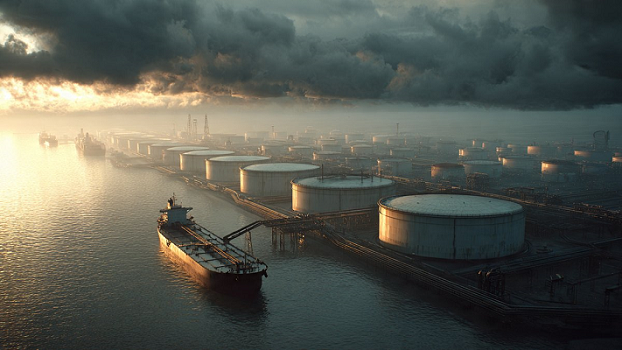
The International Energy Agency (IEA) outlined plans to release over 400 million barrels from strategic oil reserves, in a bid to cushion the impact of the Middle East conflict on global energy supplies. 
In a statement on March 19, the IEA said the bulk of the release will consist of crude oil, while European countries will primarily contribute refined products, alongside increased output from the Americas to support supply.
According to the data, member states will collectively release about 426 million barrels, led by the US with 172.2 million barrels, followed by Japan (79.8 million barrels), Canada (23.6 million barrels) and Germany (19.5 million barrels).
The IEA said the move marks the largest coordinated release in its history since 1974, adding that market stability will largely depend on the resumption of shipping through the Strait of Hormuz.
IEA says member states will collectively release about 426 million barrels, led by the US with 172.2 million barrels
The International Energy Agency (IEA) outlined plans to release over 400 million barrels from strategic oil reserves, in a bid to cushion the impact of the Middle East conflict on global energy supplies.
In a statement on March 19, the IEA said the bulk of the release will consist of crude oil, while European countries will primarily contribute refined products, alongside increased output from the Americas to support supply.
According to the data, member states will collectively release about 426 million barrels, led by the US with 172.2 million barrels, followed by Japan (79.8 million barrels), Canada (23.6 million barrels) and Germany (19.5 million barrels).
The IEA said the move marks the largest coordinated release in its history since 1974, adding that market stability will largely depend on the resumption of shipping through the Strait of Hormuz.