In a world that has yet to fully recover from the shocks of the pandemic and the repercussions of the war in Ukraine, US economic policy has once again moved to the forefront of the global stage.
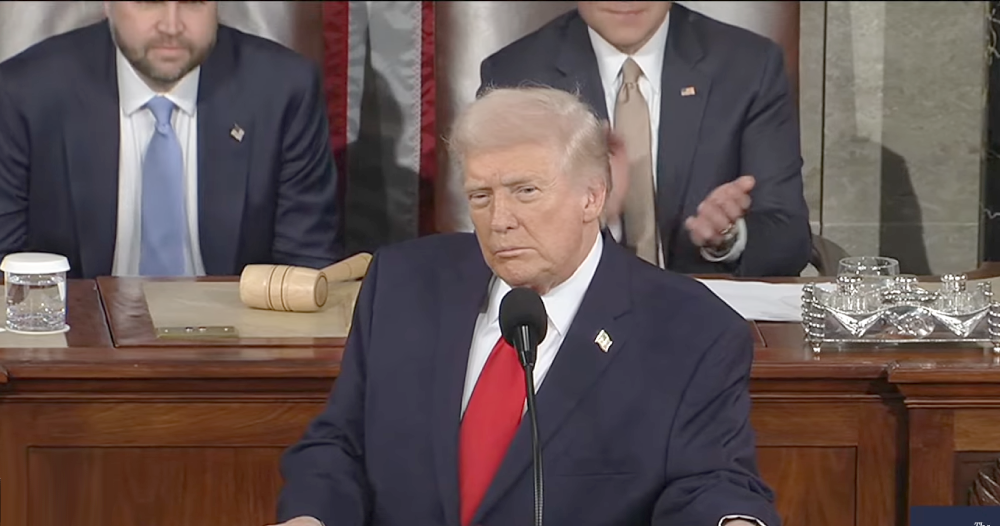
Since Donald Trump returned to the White House last year, debate has intensified over his protectionist stance, pressure on monetary policy, and the possibility of military escalations that could reshape geopolitical risk maps.
These developments raise key questions: Do Trump’s moves represent an opportunity to reposition the US economy, or do they carry risks that could undermine global growth and trigger renewed waves of inflation and trade disruption?
The US economy accounts for roughly a quarter of global nominal GDP, according to international institutions, while the dollar remains the world’s primary reserve currency—making any policy shift in Washington a cross-border event.
When the US imposes tariffs, the impact extends beyond bilateral trade with the targeted country, affecting supply chains stretching from Asia to Europe.
When the Federal Reserve faces political pressure over interest rates, the consequences are felt not only in US bond markets but across financing costs in emerging economies.
And any military escalation in strategic energy regions is enough—by mere anticipation—to reprice oil, gold, and currencies within hours.
Protectionist Policies: Industrial Shield or Inflationary Burden?
Trump has adopted a protectionist approach centered on broad tariffs on imports from China and Europe, relying on legal tools such as Section 122 of the US Trade Act. Supporters argue the strategy protects domestic industry and restores jobs.
According to data from the US Bureau of Economic Analysis, the US economy grew 2.2% in 2025, though growth slowed to 1.4% in Q4—an expansion, but without a transformative boost directly attributable to protectionism.
Inflation data from the US Bureau of Labor Statistics show annual inflation at 2.4%, core inflation at 2.5%, while the Personal Consumption Expenditures (PCE) index—the Fed’s preferred gauge—stood near 2.9%.
Hani Abuagla, Chief Market Analyst at XTB, toldArgaamthat some industries—such as steel and aluminum—partially benefited from tariffs, with modest employment gains, but “the costs spilled over into broader sectors.”
He noted that large US corporations stockpiled raw materials to avoid tariffs, leading to bottlenecks and delivery delays, particularly in rare metals. This behavior, he said, extended beyond the US, reshaping global demand and resource competition.
Previous US economic studies on the 2018–2019 tariff wave found that most of the burden fell on US importers and consumers rather than foreign exporters.
Ahmed Azzam, Head of Research at Equiti Group, toldArgaamthat protectionism “delivers quick and visible political gains, but imposes slower and more widespread economic costs.”
Citing the previous wave of tariffs, Azzam noted that US studies showed most of the tariff burden was passed on to the US importers, distributors, and ultimately the end consumers.
He warned that maintaining tariffs in an environment where inflation remains unresolved could pressure purchasing power, weaken consumer confidence, and slow private investment due to uncertainty.
Uncertainty surrounding the potential use of additional tariff measures increases market sensitivity to any new trade announcement, Azzam said.
Ali Metwally, an economic consultant in London, said the risk lies not only in tariffs themselves but in the normalization of protectionism as a permanent negotiating tool. Major economies such as China and the EU may respond not only with reciprocal tariffs, but also export controls, anti-dumping measures, and restricted market access.
If expanded, this trend could regionalize supply chains, raising structural production costs globally and leading to sustained trade slowdown.
The World Trade Organization has previously warned that escalating trade restrictions weigh on global trade growth, while the Organization for Economic Co-operation and Development (OECD) expects global growth to slow to 2.9% in 2026 amid such tensions.

In a world that has yet to fully recover from the shocks of the pandemic and the repercussions of the war in Ukraine, US economic policy has once again moved to the forefront of the global stage.
Since Donald Trump returned to the White House last year, debate has intensified over his protectionist stance, pressure on monetary policy, and the possibility of military escalations that could reshape geopolitical risk maps.
These developments raise key questions: Do Trump’s moves represent an opportunity to reposition the US economy, or do they carry risks that could undermine global growth and trigger renewed waves of inflation and trade disruption?
The US economy accounts for roughly a quarter of global nominal GDP, according to international institutions, while the dollar remains the world’s primary reserve currency—making any policy shift in Washington a cross-border event.
When the US imposes tariffs, the impact extends beyond bilateral trade with the targeted country, affecting supply chains stretching from Asia to Europe.
When the Federal Reserve faces political pressure over interest rates, the consequences are felt not only in US bond markets but across financing costs in emerging economies.
And any military escalation in strategic energy regions is enough—by mere anticipation—to reprice oil, gold, and currencies within hours.
Protectionist Policies: Industrial Shield or Inflationary Burden?
Trump has adopted a protectionist approach centered on broad tariffs on imports from China and Europe, relying on legal tools such as Section 122 of the US Trade Act. Supporters argue the strategy protects domestic industry and restores jobs.
According to data from the US Bureau of Economic Analysis, the US economy grew 2.2% in 2025, though growth slowed to 1.4% in Q4—an expansion, but without a transformative boost directly attributable to protectionism.
Inflation data from the US Bureau of Labor Statistics show annual inflation at 2.4%, core inflation at 2.5%, while the Personal Consumption Expenditures (PCE) index—the Fed’s preferred gauge—stood near 2.9%.
Hani Abuagla, Chief Market Analyst at XTB, toldArgaamthat some industries—such as steel and aluminum—partially benefited from tariffs, with modest employment gains, but “the costs spilled over into broader sectors.”
He noted that large US corporations stockpiled raw materials to avoid tariffs, leading to bottlenecks and delivery delays, particularly in rare metals. This behavior, he said, extended beyond the US, reshaping global demand and resource competition.
Previous US economic studies on the 2018–2019 tariff wave found that most of the burden fell on US importers and consumers rather than foreign exporters.
Ahmed Azzam, Head of Research at Equiti Group, toldArgaamthat protectionism “delivers quick and visible political gains, but imposes slower and more widespread economic costs.”
Citing the previous wave of tariffs, Azzam noted that US studies showed most of the tariff burden was passed on to the US importers, distributors, and ultimately the end consumers.
He warned that maintaining tariffs in an environment where inflation remains unresolved could pressure purchasing power, weaken consumer confidence, and slow private investment due to uncertainty.
Uncertainty surrounding the potential use of additional tariff measures increases market sensitivity to any new trade announcement, Azzam said.
Ali Metwally, an economic consultant in London, said the risk lies not only in tariffs themselves but in the normalization of protectionism as a permanent negotiating tool. Major economies such as China and the EU may respond not only with reciprocal tariffs, but also export controls, anti-dumping measures, and restricted market access.
If expanded, this trend could regionalize supply chains, raising structural production costs globally and leading to sustained trade slowdown.
The World Trade Organization has previously warned that escalating trade restrictions weigh on global trade growth, while the Organization for Economic Co-operation and Development (OECD) expects global growth to slow to 2.9% in 2026 amid such tensions.