The goal of the tax is to establish a policy that strikes a balance between maintaining public health and reducing sugar consumption, while also giving the industry space to innovate and develop products
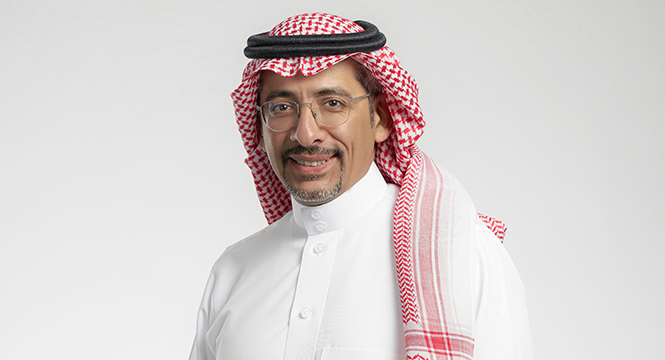
Minister of Industry and Mineral Resources Bander Al-Khorayef revealed that the new tax policy on sugar in beverages will be implemented starting January 1, 2026, noting that this issue was one of the most prominent concerns raised by industry players in recent periods and has now been resolved. 
In an interview with Al Arabiya TV, the minister clarified that addressing the sugar-based excise tax on sweetened drinks was a positive experience in negotiation among various entities, including the Ministry of Finance, the Zakat, Tax and Customs Authority (ZATCA), and the Ministry of Health.
He stressed that the goal was to establish a policy that strikes a balance between maintaining public health and reducing sugar consumption, while also giving the industry space to innovate and develop products.
The changes to the tax policy came after achieving comprehensive consensus among all the relevant parties, said Al-Khorayef, noting that the matter was more complex due to the need for coordination at the GCC level as well.
He stated that the industrial sector in Saudi Arabia—like the rest of the world—continues to face challenges due to numerous shifts and crises, saying: “I was an industrialist at some point, and I know the sector’s challenges never end, but the Kingdom has proven in recent years its full seriousness in cooperating with the private sector to overcome these challenges.”
According to data available with Argaam, the GCC Financial and Economic Cooperation Committee approved in October a new methodology for calculating the excise tax on sweetened beverages, basing it on the amount of sugar per 100 milliliters of the drink instead of the current flat rate of 50% of the retail price. The new tiered volume-based approach sets progressive tax brackets according to total sugar content in ready-to-drink beverages.
The goal of the tax is to establish a policy that strikes a balance between maintaining public health and reducing sugar consumption, while also giving the industry space to innovate and develop products
Minister of Industry and Mineral Resources Bander Al-Khorayef revealed that the new tax policy on sugar in beverages will be implemented starting January 1, 2026, noting that this issue was one of the most prominent concerns raised by industry players in recent periods and has now been resolved.
In an interview with Al Arabiya TV, the minister clarified that addressing the sugar-based excise tax on sweetened drinks was a positive experience in negotiation among various entities, including the Ministry of Finance, the Zakat, Tax and Customs Authority (ZATCA), and the Ministry of Health.
He stressed that the goal was to establish a policy that strikes a balance between maintaining public health and reducing sugar consumption, while also giving the industry space to innovate and develop products.
The changes to the tax policy came after achieving comprehensive consensus among all the relevant parties, said Al-Khorayef, noting that the matter was more complex due to the need for coordination at the GCC level as well.
He stated that the industrial sector in Saudi Arabia—like the rest of the world—continues to face challenges due to numerous shifts and crises, saying: “I was an industrialist at some point, and I know the sector’s challenges never end, but the Kingdom has proven in recent years its full seriousness in cooperating with the private sector to overcome these challenges.”
According to data available with Argaam, the GCC Financial and Economic Cooperation Committee approved in October a new methodology for calculating the excise tax on sweetened beverages, basing it on the amount of sugar per 100 milliliters of the drink instead of the current flat rate of 50% of the retail price. The new tiered volume-based approach sets progressive tax brackets according to total sugar content in ready-to-drink beverages.