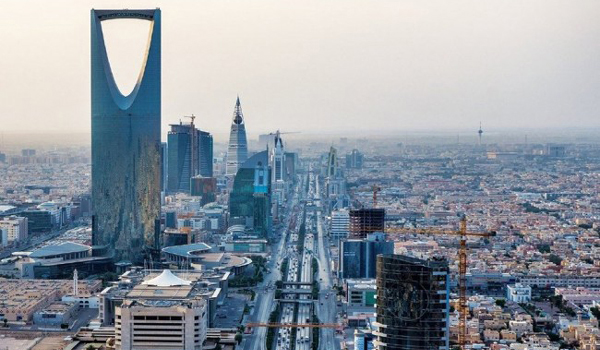
Riyadh city
Global real estate consultancy firm Knight Frank said, in a report that the housing sector continues to drive Saudi Arabia’s real estate market, accounting for around 63% of the total real estate transactions value of SAR 123.8 billion during the first half of 2025. 
The number of residential transactions rose by 7% year-on-year to around 93,700 deals, at a total value of SAR 77.5 billion. This momentum is driven by the growth in mortgage activity, ongoing government support programs, and the delivery of new housing units in key urban centers, it added.
Knight Frank also noted that Madinah saw the highest growth rate in the value of residential real estate transactions across the Kingdom during the six-month period, with an increase of 49% YoY to SAR 3.4 billion.
Key Indicators
Region
Indicator
Madinah
Recorded the highest growth rate in residential transaction values in the Kingdom during H1 2025, up 49% YoY to SAR 3.4 billion.
Transaction volumes rose 38%, while the number of deals fell 31%, and the total value declined 20% to SAR 29 billion, marking the first annual decline in years.
Apartment prices increased 2.5% over the past 12 months, reaching an average of SAR 3,835 per square meter in Q2 2025.
Villa prices slightly decreased by 0.3%, averaging SAR 3,500 per square meter.
The number of housing units reached 353,400 by the end of 2024, with an additional 27,860 units expected by 2028. Upon project completion, the total inventory of housing units in Madinah will reach 381,200.
Riyadh
Average apartment prices rose 11% YoY in Q2 2025 to SAR 6,175 per square meter, driven by strong demand in well-connected, centrally located districts.
Prices in Al-Taawun district jumped 32% to SAR 9,470 per square meter.
In King Abdullah District, prices increased 17% to SAR 7,656 per square meter.
In Southern Riyadh, prices remained moderate to low, averaging SAR 3,000 per square meter, reflecting ongoing entry of new buyers.
Villa prices nationwide continued their upward trend, rising 8% YoY in Q2 2025 to SAR 5,470 per square meter.
Northern Riyadh remains the most expensive area, averaging SAR 8,660 per square meter. Al-Sahafa recorded the fastest growth, up 24% to SAR 8,050 per square meter, followed by Al-Narjis, up 17% to SAR 8,750 per square meter.
Makkah
Apartment prices fell by 0.5% to SAR 3,650 per square meter, while villa prices rose slightly by 0.4% to SAR 3,420 per square meter.
The number of housing units in Makkah reached 428,200 in Q2 2025, with supply expected to reach around 462,000 units by 2028.
Jeddah
Transaction volumes increased 19% in the last 12 months, with total transaction values up 28% to SAR 17.3 billion.
The average apartment price in Jeddah reached SAR 4,324 per square meter in Q2 2025, up 2.7% YoY.
The highest increases were in central and western areas, where the average rose 6% to SAR 5,246 per square meter.
Al-Naeem district recorded the strongest growth, up 12.2% to SAR 4,885 per square meter, followed by Al-Zahraa, up 10% to SAR 6,325 per square meter.
Villa prices showed more moderate growth, up 3.2% YoY to SAR 5,040 per square meter.
Northern districts remain the most in demand, with prices up 5.4% to SAR 6,150 per square meter.
North Obhur led with a 9.2% increase to SAR 5,800 per square meter, followed by Al-Nahda, up 8.3% to SAR 5,850 per square meter.
The report highlighted that after a prolonged expansion period, the Riyadh residential market entered a rebalancing phase during H1 2025. It indicated that the slower transaction activity was not translated into downward pressure on prices. Apartment and villa prices continued to rise, reflecting resilient demand in key submarkets.
It noted that the launch of the Riyadh Metro has boosted the appeal of areas with improved public transit access. Districts such as Al-Olaya, Al-Yasmeen, and Hittin saw notable increases in villa prices.
Citywide, demand is shifting toward master-planned gated communities that integrate residential, commercial, educational, and healthcare components. Developments like Roshn’s Al-Arous project, backed by the Public Investment Fund, are attracting significant interest. These integrated models are especially appealing in coastal areas, where demand for access to both community amenities and waterfront views is growing, according to the report.
Riyadh city
Global real estate consultancy firm Knight Frank said, in a report that the housing sector continues to drive Saudi Arabia’s real estate market, accounting for around 63% of the total real estate transactions value of SAR 123.8 billion during the first half of 2025.
The number of residential transactions rose by 7% year-on-year to around 93,700 deals, at a total value of SAR 77.5 billion. This momentum is driven by the growth in mortgage activity, ongoing government support programs, and the delivery of new housing units in key urban centers, it added.
Knight Frank also noted that Madinah saw the highest growth rate in the value of residential real estate transactions across the Kingdom during the six-month period, with an increase of 49% YoY to SAR 3.4 billion.
Key Indicators
Region
Indicator
Madinah
Recorded the highest growth rate in residential transaction values in the Kingdom during H1 2025, up 49% YoY to SAR 3.4 billion.
Transaction volumes rose 38%, while the number of deals fell 31%, and the total value declined 20% to SAR 29 billion, marking the first annual decline in years.
Apartment prices increased 2.5% over the past 12 months, reaching an average of SAR 3,835 per square meter in Q2 2025.
Villa prices slightly decreased by 0.3%, averaging SAR 3,500 per square meter.
The number of housing units reached 353,400 by the end of 2024, with an additional 27,860 units expected by 2028. Upon project completion, the total inventory of housing units in Madinah will reach 381,200.
Riyadh
Average apartment prices rose 11% YoY in Q2 2025 to SAR 6,175 per square meter, driven by strong demand in well-connected, centrally located districts.
Prices in Al-Taawun district jumped 32% to SAR 9,470 per square meter.
In King Abdullah District, prices increased 17% to SAR 7,656 per square meter.
In Southern Riyadh, prices remained moderate to low, averaging SAR 3,000 per square meter, reflecting ongoing entry of new buyers.
Villa prices nationwide continued their upward trend, rising 8% YoY in Q2 2025 to SAR 5,470 per square meter.
Northern Riyadh remains the most expensive area, averaging SAR 8,660 per square meter. Al-Sahafa recorded the fastest growth, up 24% to SAR 8,050 per square meter, followed by Al-Narjis, up 17% to SAR 8,750 per square meter.
Makkah
Apartment prices fell by 0.5% to SAR 3,650 per square meter, while villa prices rose slightly by 0.4% to SAR 3,420 per square meter.
The number of housing units in Makkah reached 428,200 in Q2 2025, with supply expected to reach around 462,000 units by 2028.
Jeddah
Transaction volumes increased 19% in the last 12 months, with total transaction values up 28% to SAR 17.3 billion.
The average apartment price in Jeddah reached SAR 4,324 per square meter in Q2 2025, up 2.7% YoY.
The highest increases were in central and western areas, where the average rose 6% to SAR 5,246 per square meter.
Al-Naeem district recorded the strongest growth, up 12.2% to SAR 4,885 per square meter, followed by Al-Zahraa, up 10% to SAR 6,325 per square meter.
Villa prices showed more moderate growth, up 3.2% YoY to SAR 5,040 per square meter.
Northern districts remain the most in demand, with prices up 5.4% to SAR 6,150 per square meter.
North Obhur led with a 9.2% increase to SAR 5,800 per square meter, followed by Al-Nahda, up 8.3% to SAR 5,850 per square meter.
The report highlighted that after a prolonged expansion period, the Riyadh residential market entered a rebalancing phase during H1 2025. It indicated that the slower transaction activity was not translated into downward pressure on prices. Apartment and villa prices continued to rise, reflecting resilient demand in key submarkets.
It noted that the launch of the Riyadh Metro has boosted the appeal of areas with improved public transit access. Districts such as Al-Olaya, Al-Yasmeen, and Hittin saw notable increases in villa prices.
Citywide, demand is shifting toward master-planned gated communities that integrate residential, commercial, educational, and healthcare components. Developments like Roshn’s Al-Arous project, backed by the Public Investment Fund, are attracting significant interest. These integrated models are especially appealing in coastal areas, where demand for access to both community amenities and waterfront views is growing, according to the report.