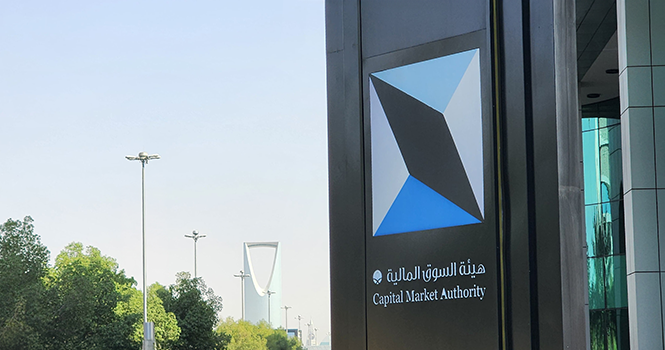
Logo ofCapital Market Authority (CMA)
The Capital Market Authority’s (CMA) board approved the close-out netting and related collateral arrangements regulation, which aims to regulate netting agreements and their related financial collateral arrangements where one of the parties is a capital market institution. The regulation will take effect as of its publication date. 
The regulation primarily aims to enhance the stability of the financial system and protect investors by ensuring the enforceability of a qualified financial contracts involving a capital market institution in the event of default by either party. This framework is designed to safeguard the rights of all parties involved, in accordance with the provisions outlined in the netting agreement between them, said the regulator.
It added that the approved provisions outline measures for handling the default of a party to a netting agreement or other specific cases outlined in the regulation, provided that one of the parties involved is a capital market institution.
The aim is to regulate these agreements and related financial collateral arrangements linked to one or more qualified financial contracts that fall under the regulatory oversight of the CMA. This ensures the enforceability of such agreements for all parties, even in the event of any changes to the conditions under which the qualified financial contract was originally executed. Ultimately, this contributes to strengthening the stability and sustainability of the financial sector in Saudi Arabia and enhancing the overall capital market framework.
The approved regulation includes several provisions governing close-out netting and associated collateral arrangements, along with definitions of key terms outlined in the regulation. It also sets out financial collateral arrangements, specifies the scope of application, identifies the entities subject to the regulation, and defines qualified financial contracts and transactions that would be exempt from the provisions of the Bankruptcy Law, according to CMA.
The CMA also seeks, through approved regulation, to keep pace with international developments in accordance with the best global practices, especially in light of the interest of the International Swaps and Derivatives Association (ISDA), which has issued many guidelines and models to enhance Close-Out Netting practices and legislation in different countries, to confirm the enforceability of qualified financial contracts, and not to be affected by any subsequent change in the status in which they were concluded, which may include the opening of any bankruptcy procedures, and to ensure the implementation of the provisions and terms contained in those contracts.
According to Argaam’s data, the CMA in February called on stakeholders and interested capital market players to share their feedback on the draft Regulatory Framework for Close-Out Netting for Capital Market Institutions. The consultation period ran for 30 days until March 26.
Close-out Netting and related Collateral Arrangements Regulation
Logo ofCapital Market Authority (CMA)
The Capital Market Authority’s (CMA) board approved the close-out netting and related collateral arrangements regulation, which aims to regulate netting agreements and their related financial collateral arrangements where one of the parties is a capital market institution. The regulation will take effect as of its publication date.
The regulation primarily aims to enhance the stability of the financial system and protect investors by ensuring the enforceability of a qualified financial contracts involving a capital market institution in the event of default by either party. This framework is designed to safeguard the rights of all parties involved, in accordance with the provisions outlined in the netting agreement between them, said the regulator.
It added that the approved provisions outline measures for handling the default of a party to a netting agreement or other specific cases outlined in the regulation, provided that one of the parties involved is a capital market institution.
The aim is to regulate these agreements and related financial collateral arrangements linked to one or more qualified financial contracts that fall under the regulatory oversight of the CMA. This ensures the enforceability of such agreements for all parties, even in the event of any changes to the conditions under which the qualified financial contract was originally executed. Ultimately, this contributes to strengthening the stability and sustainability of the financial sector in Saudi Arabia and enhancing the overall capital market framework.
The approved regulation includes several provisions governing close-out netting and associated collateral arrangements, along with definitions of key terms outlined in the regulation. It also sets out financial collateral arrangements, specifies the scope of application, identifies the entities subject to the regulation, and defines qualified financial contracts and transactions that would be exempt from the provisions of the Bankruptcy Law, according to CMA.
The CMA also seeks, through approved regulation, to keep pace with international developments in accordance with the best global practices, especially in light of the interest of the International Swaps and Derivatives Association (ISDA), which has issued many guidelines and models to enhance Close-Out Netting practices and legislation in different countries, to confirm the enforceability of qualified financial contracts, and not to be affected by any subsequent change in the status in which they were concluded, which may include the opening of any bankruptcy procedures, and to ensure the implementation of the provisions and terms contained in those contracts.
According to Argaam’s data, the CMA in February called on stakeholders and interested capital market players to share their feedback on the draft Regulatory Framework for Close-Out Netting for Capital Market Institutions. The consultation period ran for 30 days until March 26.
Close-out Netting and related Collateral Arrangements Regulation