Qassim Cement factory
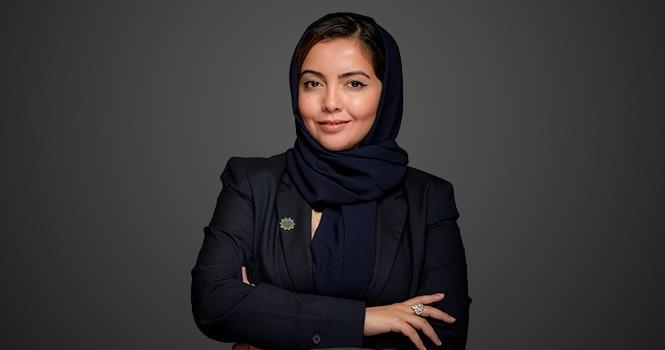
Omar Al-Omran, CEO and board member of Qassim Cement Co., said the company’s acquisition of Hail Cement boosted its market share to 12.9%, the highest in the domestic cement industry. 
In an interview with CNBC Arabia, Al-Omran said the company undertook major internal efforts to execute its integration and separation strategy. The goal was to deliver expected results and meet shareholder expectations.
He stressed that Qassim Cement remains focused on maximizing returns through strict internal cost control, most of which remains under control. However, pricing remains volatile due to the large number of players in the sector.
Al-Omran noted that the commodity nature of cement makes it prone to repeated price fluctuations in both local and global markets, adding to the challenge of maintaining stable selling prices.
He added that commodity price swings put significant pressure on earnings, causing quarterly profit volatility. Companies chasing market share often sacrifice pricing, which he said is unhealthy for the industry.
Over time, he expects the sector to mature. Competition will likely shift toward product quality, customer service, and operational performance instead of pricing alone.
Following the acquisition, Qassim Cement is running both the Qassim and Hail plants at full capacity. Al-Omran highlighted Hail’s high clinker inventory, around 5 million tons, which the company is now working to reduce.
He said the company aims to consume this inventory while operating at full capacity, optimizing asset use and minimizing time to absorb excess clinker.
Al-Omran noted that cement demand grew by around 4.4% in 2024. He expects average prices to rise about 5.5% in 2025, supported by megaprojects, particularly in Riyadh.
Key developments include Qiddiya, Diriyah, and King Salman Park, in addition to future large-scale projects such as Expo and the World Cup.
Financially, the company carries no debt and has strong financial statements with significant borrowing capacity. It also holds a large cash surplus being invested effectively.
Part of this liquidity will support expansion projects under its strategy. For the first time in years, the company may seek external financing to cover upcoming needs.
On the environmental front, Al-Omran said Qassim Cement signed a memorandum of understanding (MoU) with the Minister of Environment under the Saudi Green Initiative.
Previously, the company planted 156,000 trees. Since launching the new phase, over 30,000 more have been planted. Environmental efforts remain a top priority.
Qassim Cement posted a 27% year-on-year (YoY) rise in net profit to SAR 94.1 million in Q1 2025, up from SAR 74.2 million a year earlier, according to Argaam’s data.
Qassim Cement factory
Omar Al-Omran, CEO and board member of Qassim Cement Co., said the company’s acquisition of Hail Cement boosted its market share to 12.9%, the highest in the domestic cement industry.
In an interview with CNBC Arabia, Al-Omran said the company undertook major internal efforts to execute its integration and separation strategy. The goal was to deliver expected results and meet shareholder expectations.
He stressed that Qassim Cement remains focused on maximizing returns through strict internal cost control, most of which remains under control. However, pricing remains volatile due to the large number of players in the sector.
Al-Omran noted that the commodity nature of cement makes it prone to repeated price fluctuations in both local and global markets, adding to the challenge of maintaining stable selling prices.
He added that commodity price swings put significant pressure on earnings, causing quarterly profit volatility. Companies chasing market share often sacrifice pricing, which he said is unhealthy for the industry.
Over time, he expects the sector to mature. Competition will likely shift toward product quality, customer service, and operational performance instead of pricing alone.
Following the acquisition, Qassim Cement is running both the Qassim and Hail plants at full capacity. Al-Omran highlighted Hail’s high clinker inventory, around 5 million tons, which the company is now working to reduce.
He said the company aims to consume this inventory while operating at full capacity, optimizing asset use and minimizing time to absorb excess clinker.
Al-Omran noted that cement demand grew by around 4.4% in 2024. He expects average prices to rise about 5.5% in 2025, supported by megaprojects, particularly in Riyadh.
Key developments include Qiddiya, Diriyah, and King Salman Park, in addition to future large-scale projects such as Expo and the World Cup.
Financially, the company carries no debt and has strong financial statements with significant borrowing capacity. It also holds a large cash surplus being invested effectively.
Part of this liquidity will support expansion projects under its strategy. For the first time in years, the company may seek external financing to cover upcoming needs.
On the environmental front, Al-Omran said Qassim Cement signed a memorandum of understanding (MoU) with the Minister of Environment under the Saudi Green Initiative.
Previously, the company planted 156,000 trees. Since launching the new phase, over 30,000 more have been planted. Environmental efforts remain a top priority.
Qassim Cement posted a 27% year-on-year (YoY) rise in net profit to SAR 94.1 million in Q1 2025, up from SAR 74.2 million a year earlier, according to Argaam’s data.